Features
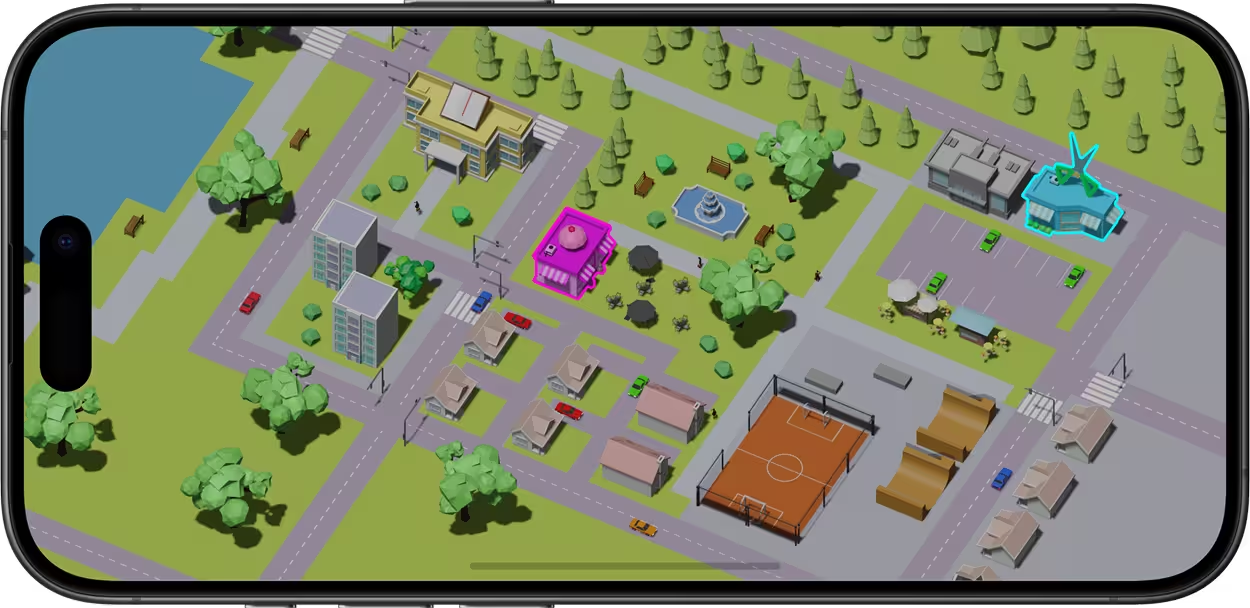
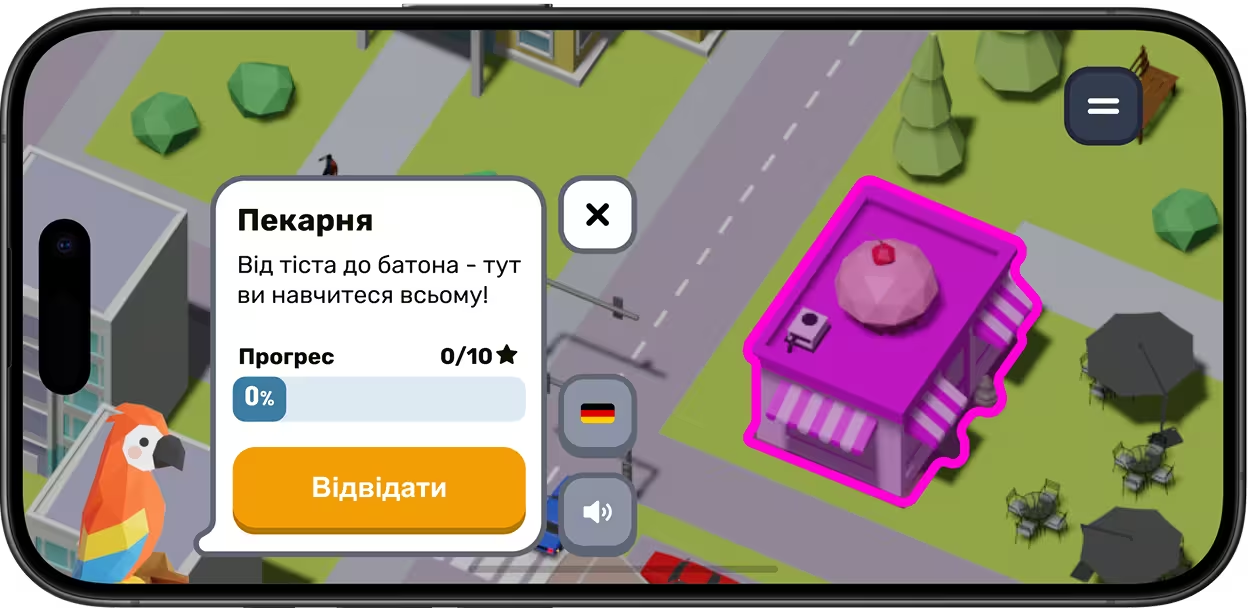
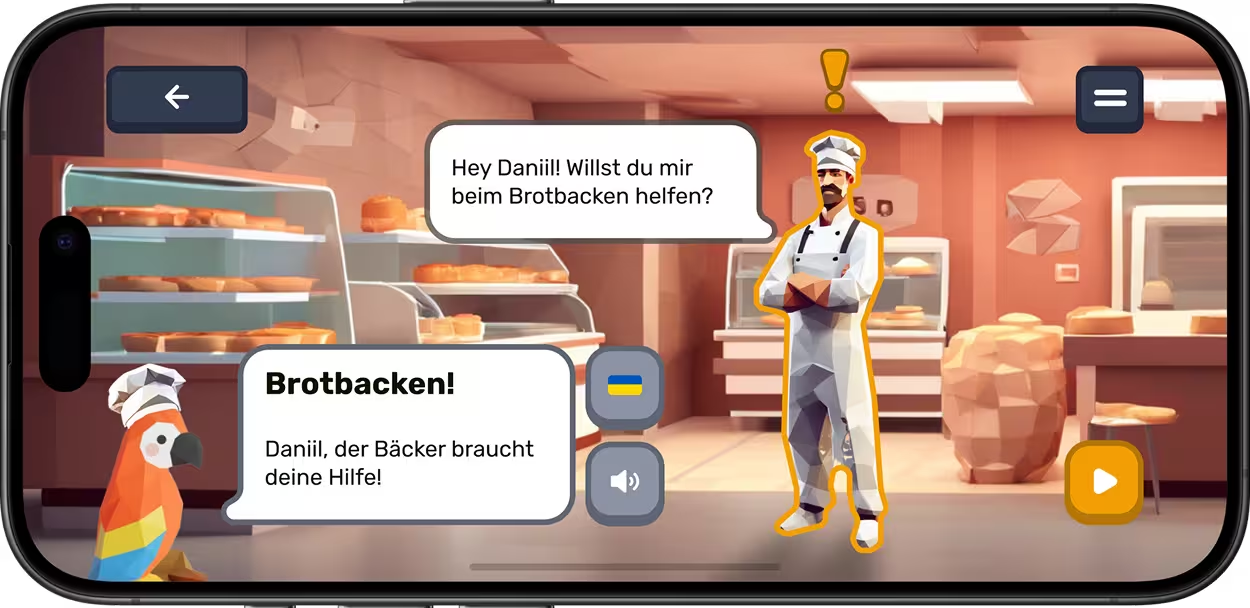
The basis of Polys is a city in low-polygon style, viewed from an isometric perspective. Various buildings that appear in the children's everyday lives can be clicked here. Through the buildings, more of which are unlocked as progress is made, different minigames can be started.
The goal of Polys is not to replace a language course or school attendance, but to teach simple everyday vocabulary and encourage children to converse.
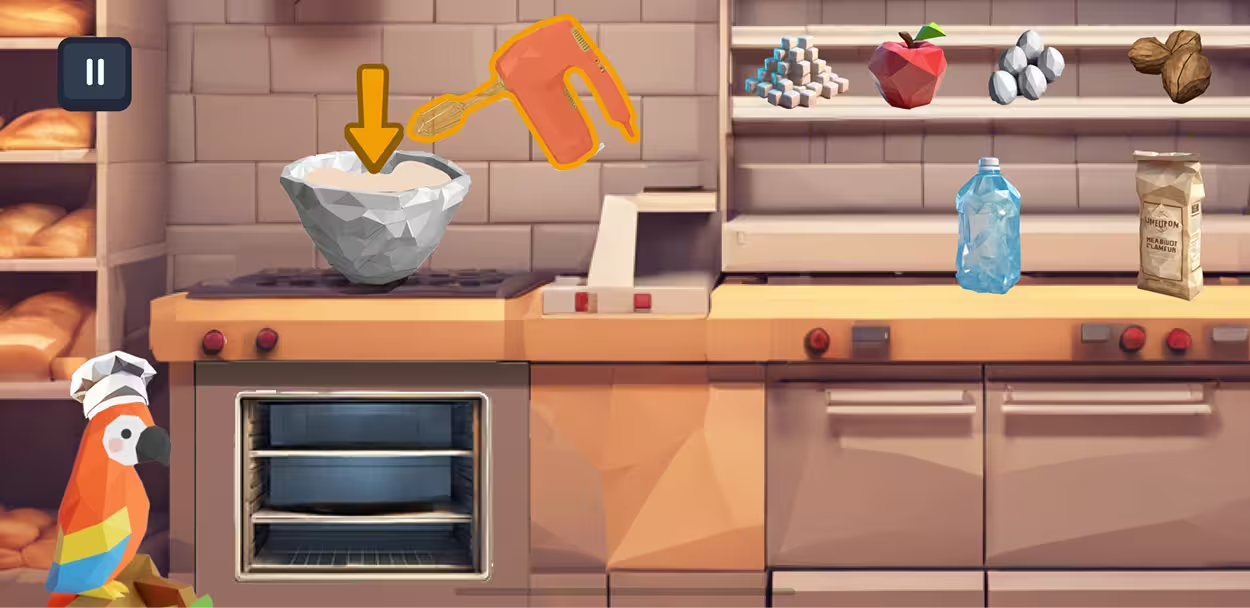
We want to give children the confidence to use the newly learned words in everyday life, whether at the bakery or on the sports field.
It was important to us not to design a learning app with gamification, but to put fun first. Children should use Polys voluntarily and learn something along the way, because the best learning concept is useless if the app isn't used.
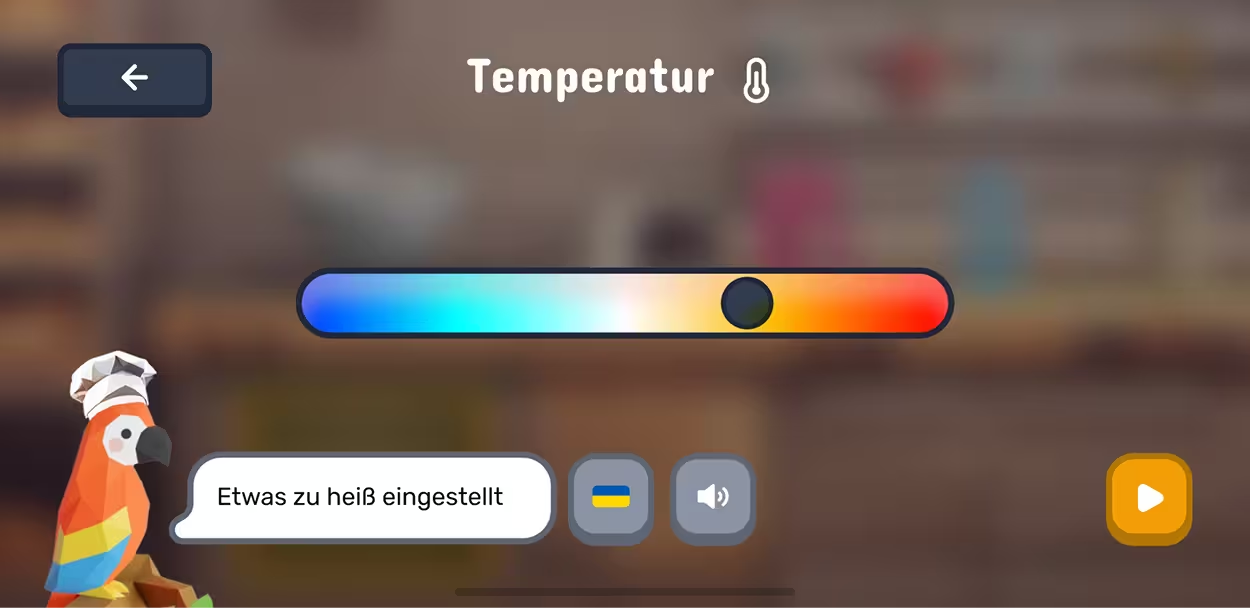
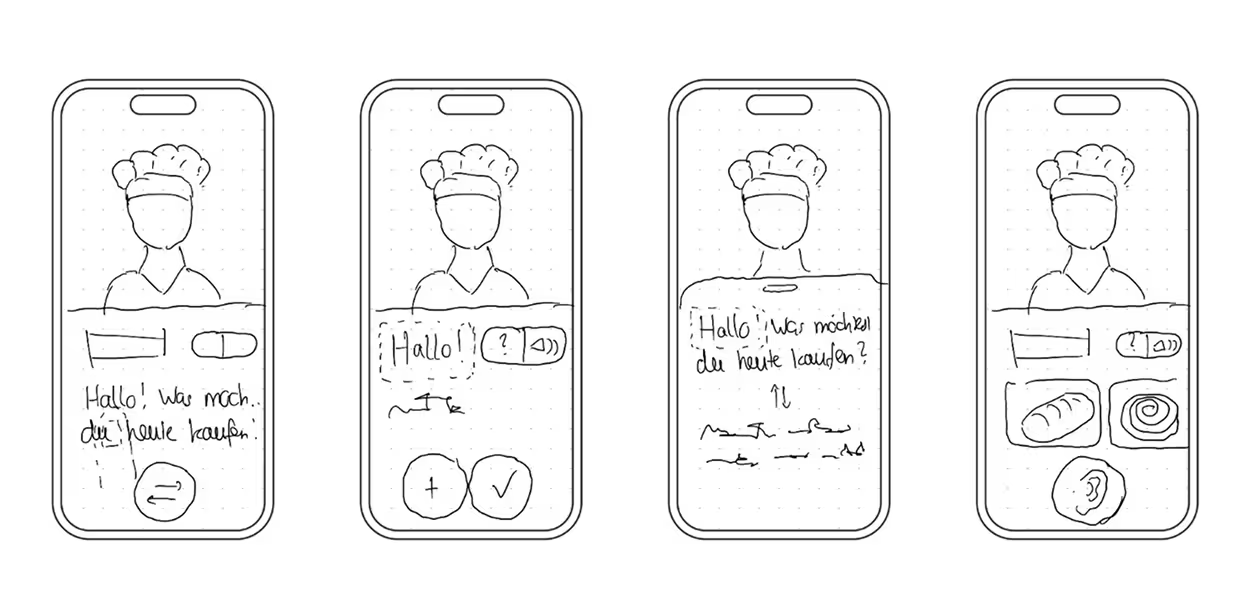
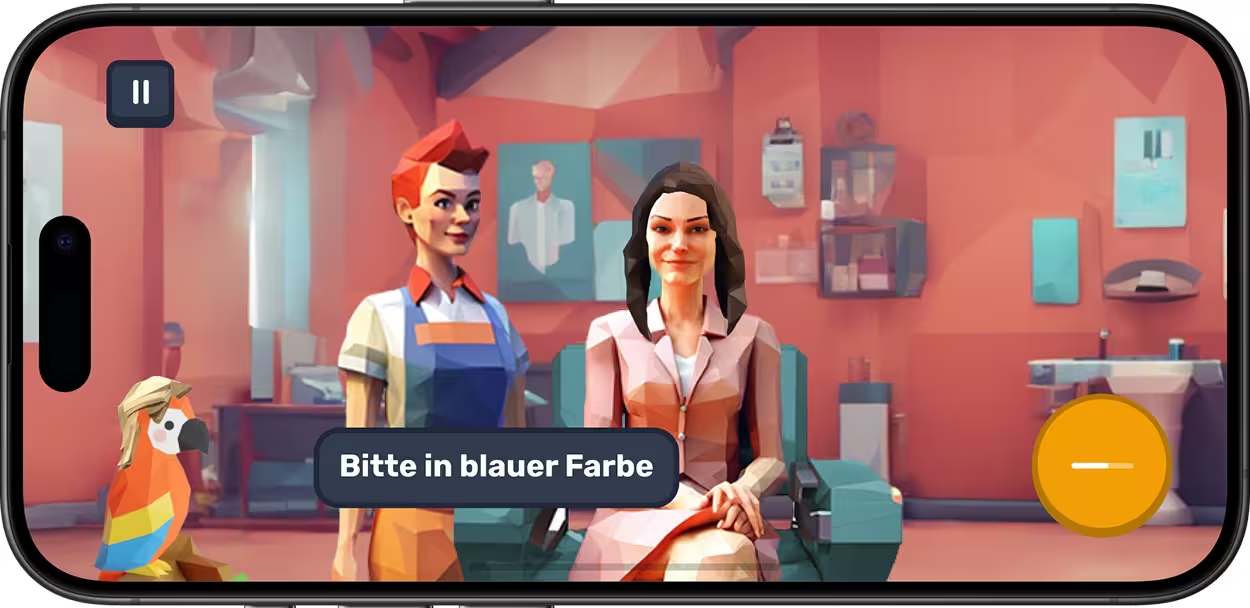
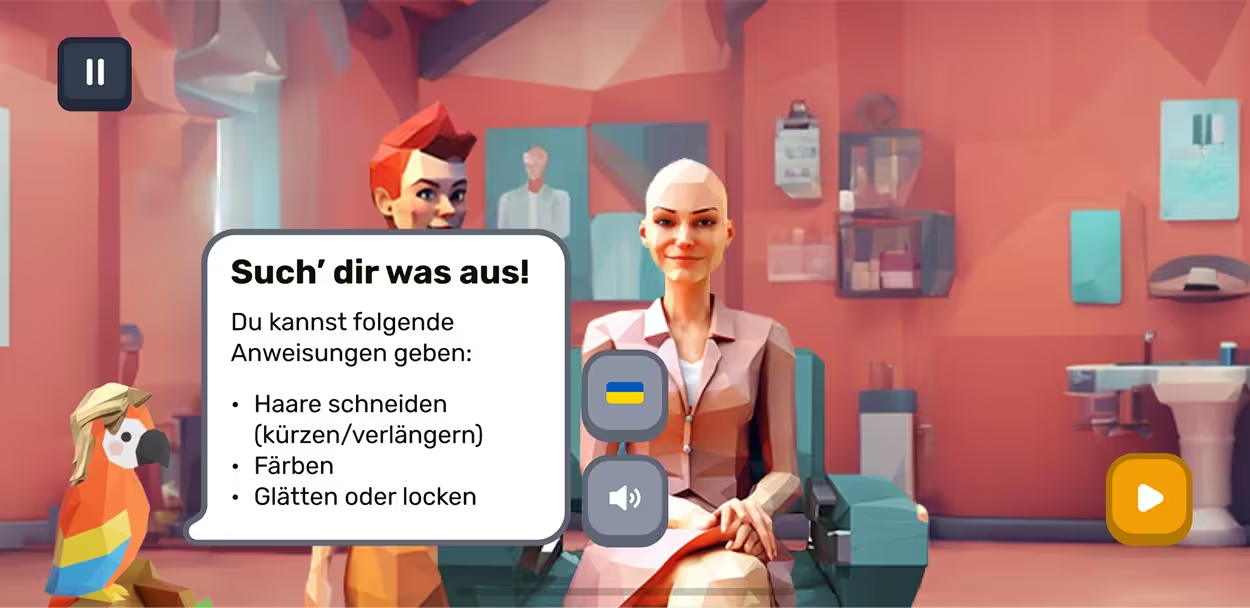
There are minigames with different goals: learning vocabulary, understanding spoken German, and speaking German yourself. Polys relies on exploratory learning. In the hairdresser game, the child doesn't necessarily need to know all the German vocabulary, but learns through trial and context. The app companion, Peter the Parrot, is always available to explain parts of the app, give tips, and translate something if needed.
Process
For this project, there was a fixed assignment: design an app on the topic of integration. At the beginning, we looked at the whole spectrum, conducted interviews, and reviewed documentaries to better understand the difficulties of migrants in Germany.
Since some members of our team had parents with a migration history in childhood, we quickly identified the special challenges of children, which were also confirmed by current reports.
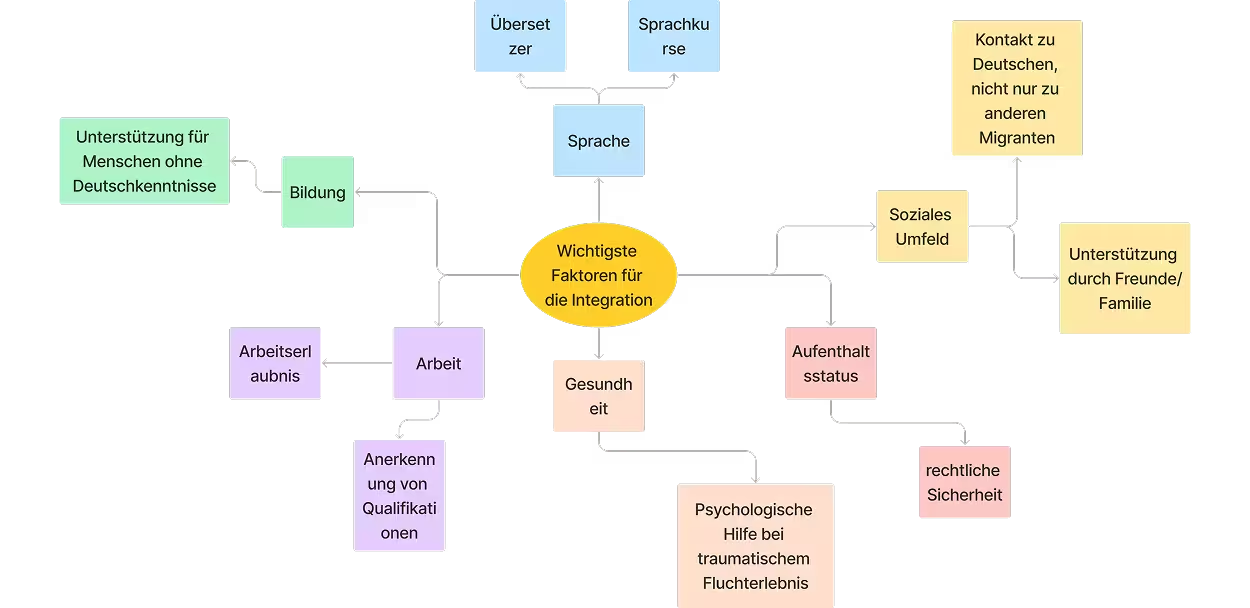
We had various ideas and clearly defined our requirements: we wanted an app that helps children in their new environment, that children use voluntarily, and that motivates them to apply what they learn in the real world.
So we developed the idea of a gaming platform with minigames, whereby the biggest challenge in the further course was the conception of minigames that are both fun, teach something, and can be applied in real life.