Features
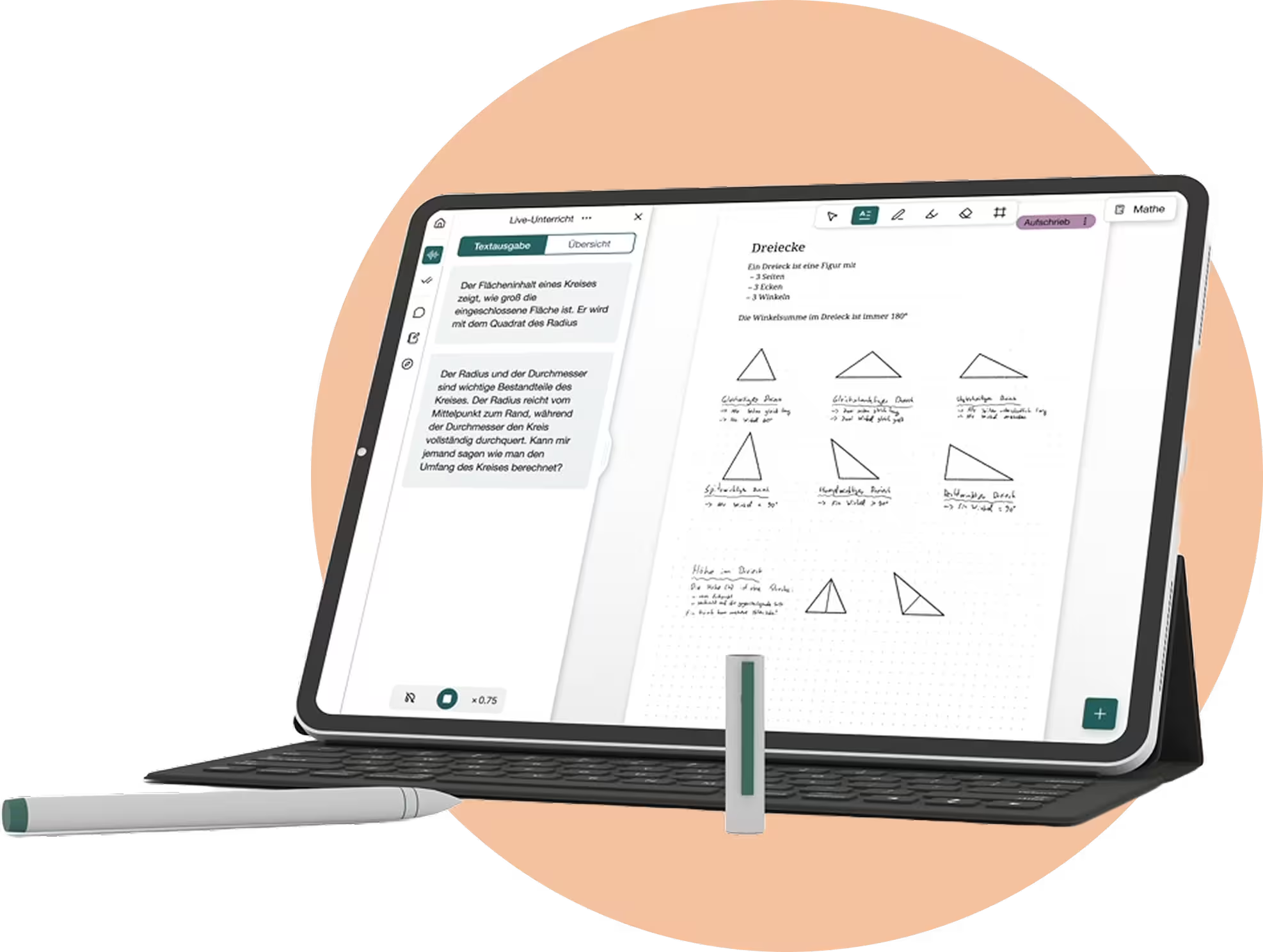
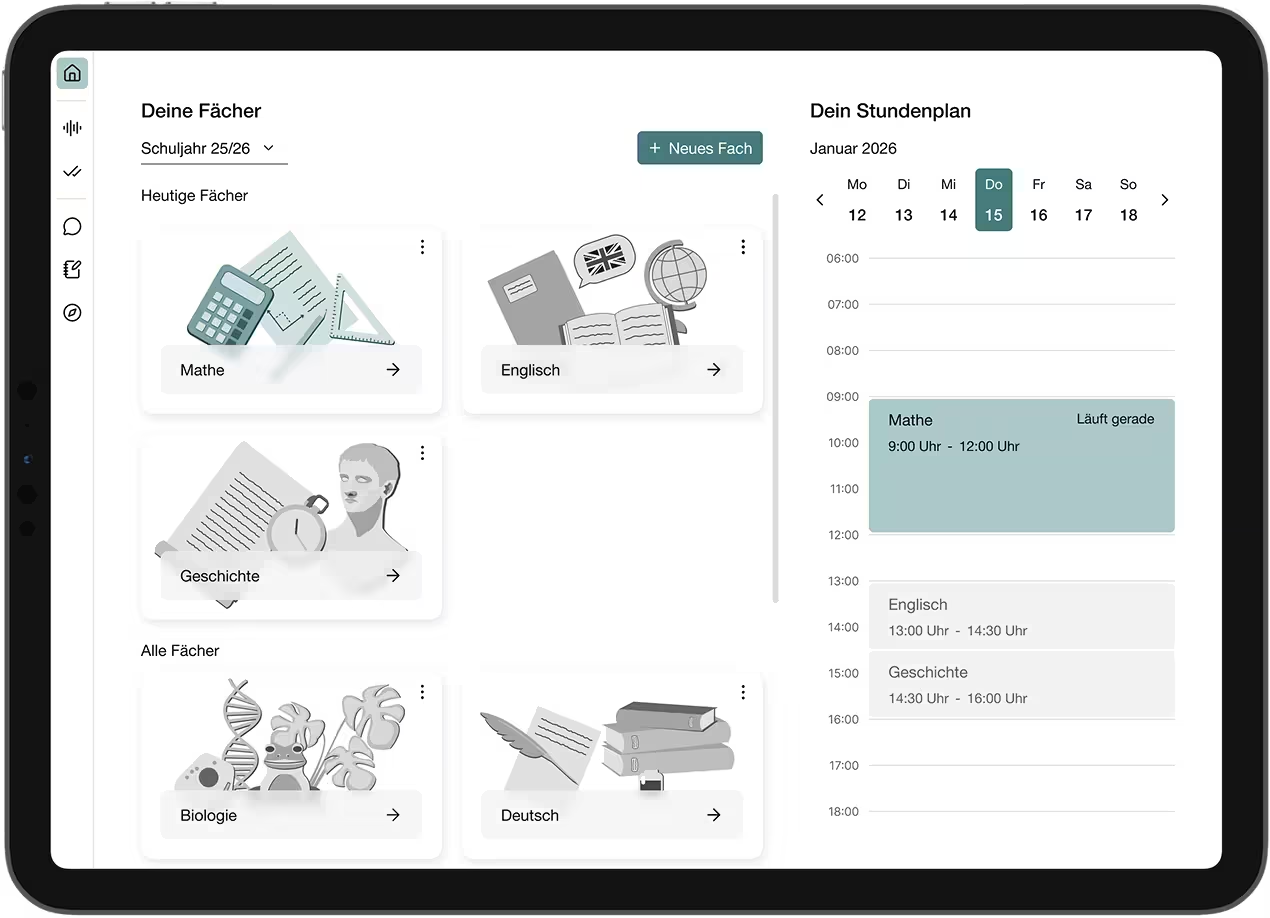
Ausono consists of two parts: a tablet app and a pen. The pen can be used as a normal tablet pen, but the pen cap contains a microphone and can be clipped to the collar. The app is based on the functions of a simple note-taking program that children can use in everyday life without exceptional situations.
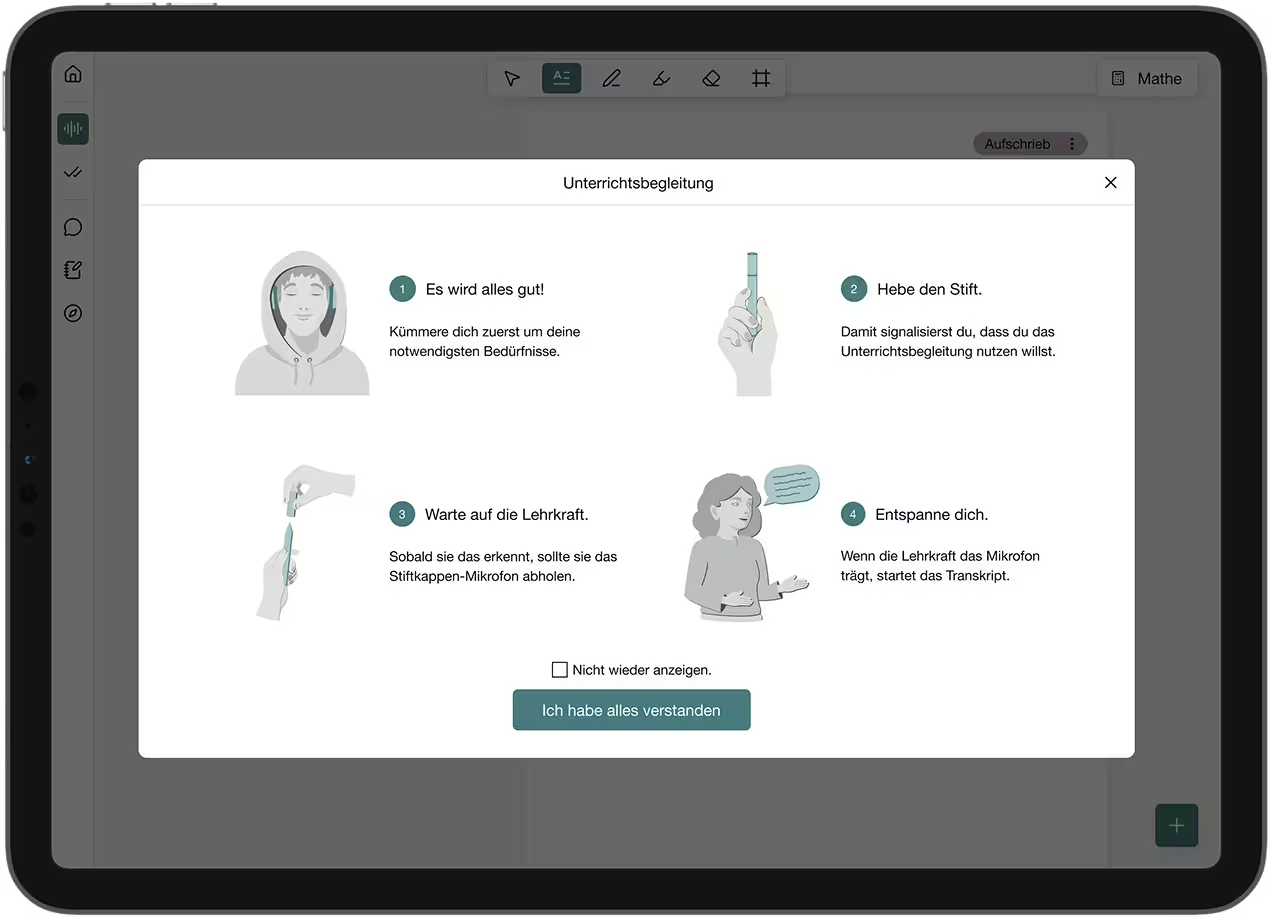
When a child realizes they need to shield themselves auditorily, they can signal with the pen, which has been agreed upon as a gesture with the teacher. The teacher then takes the pen cap and transcription begins.
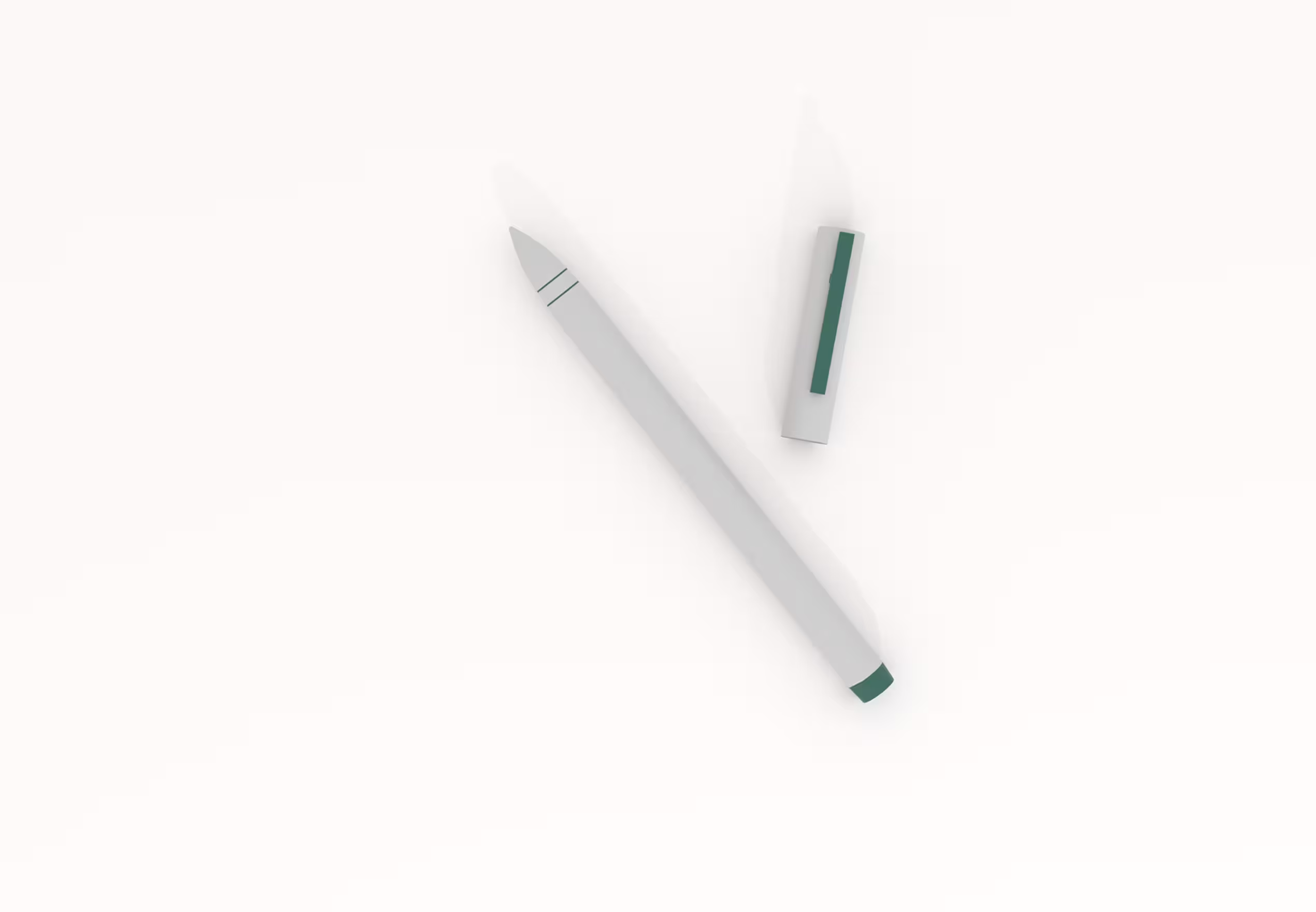
We generally tried to use as inconspicuous, everyday objects and gestures as possible to prevent an unwanted special role for the children.
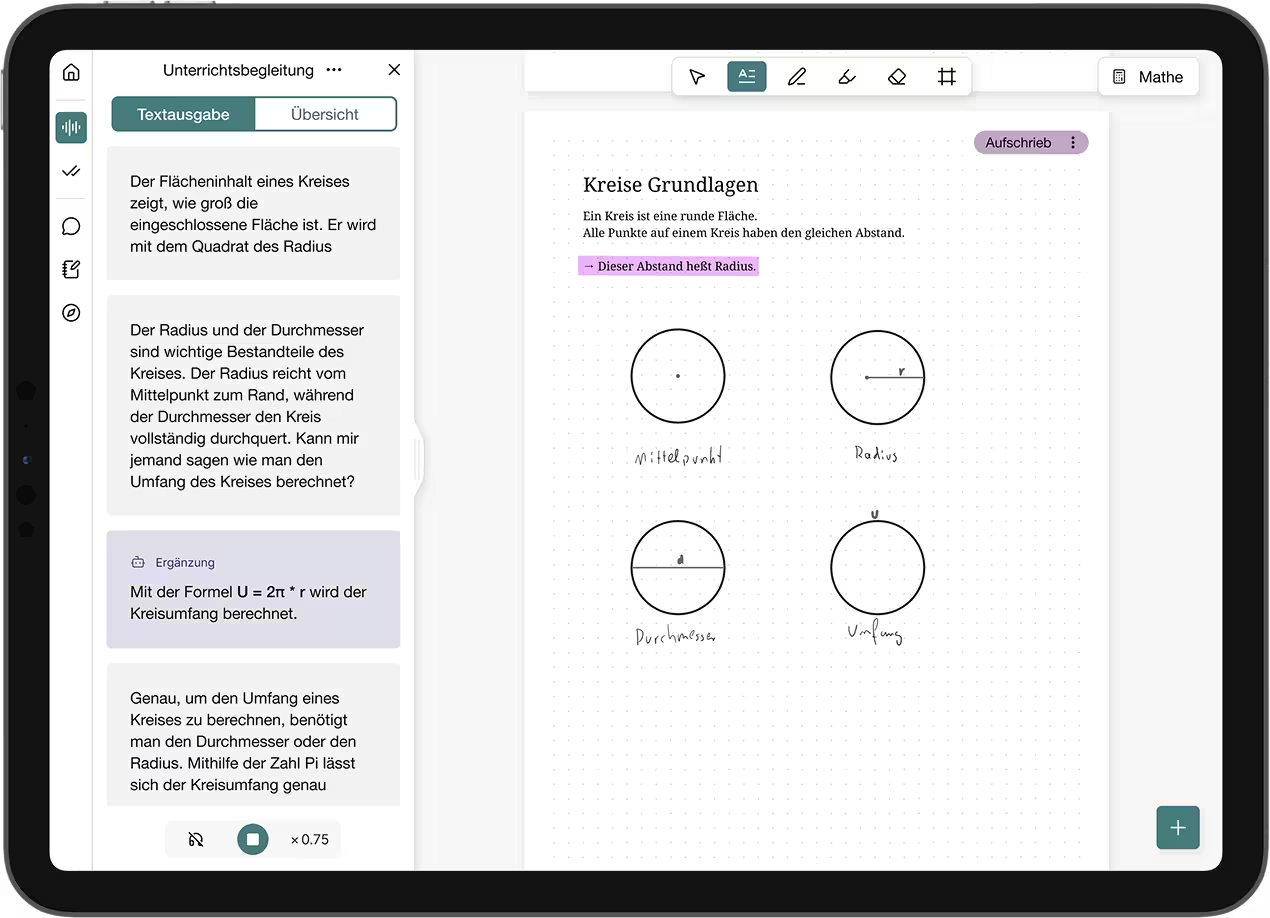
The child can now shield themselves with headphones and continue to follow the lesson on the tablet. To prevent potential problems, there are various features such as automatic task recognition to help with this.
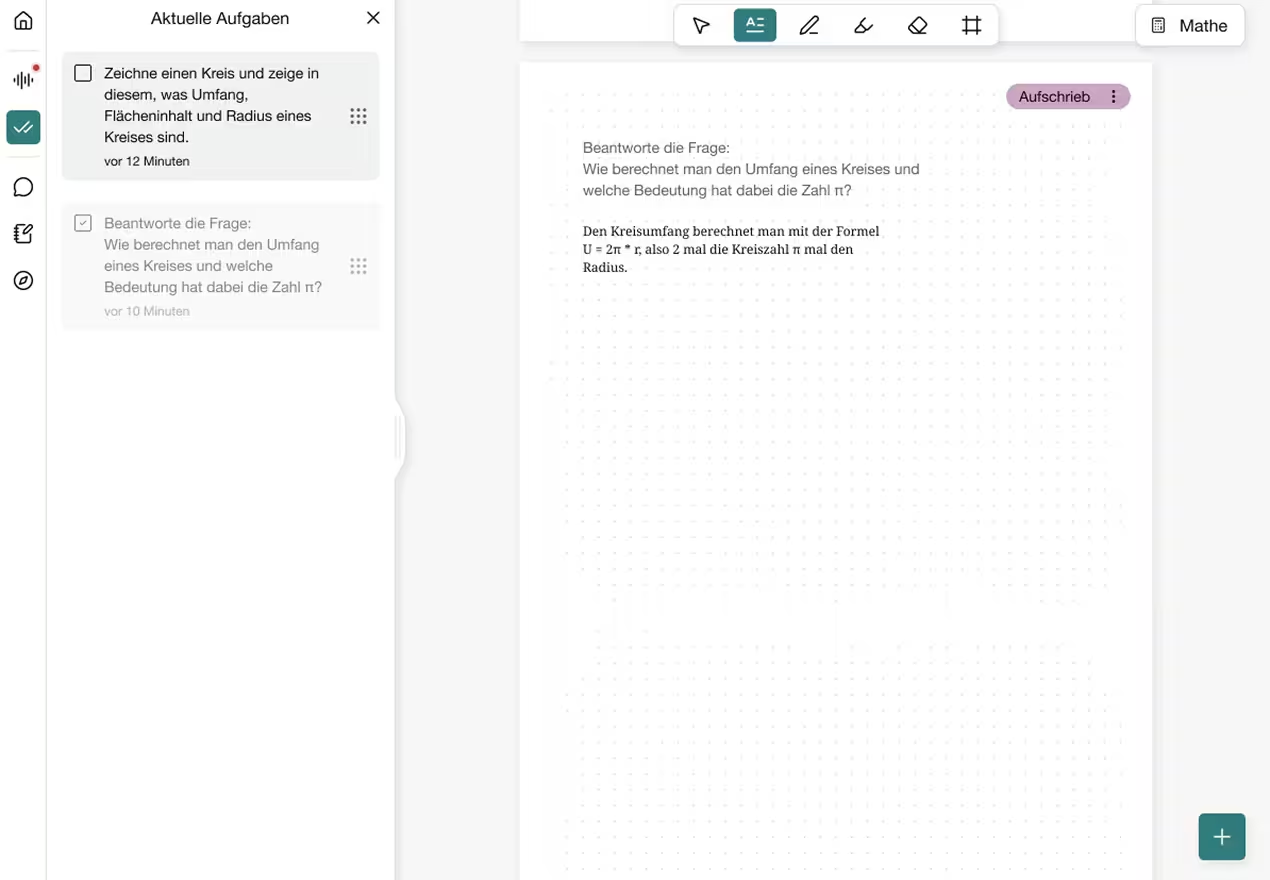
Other central components are the live overview and the final summary.
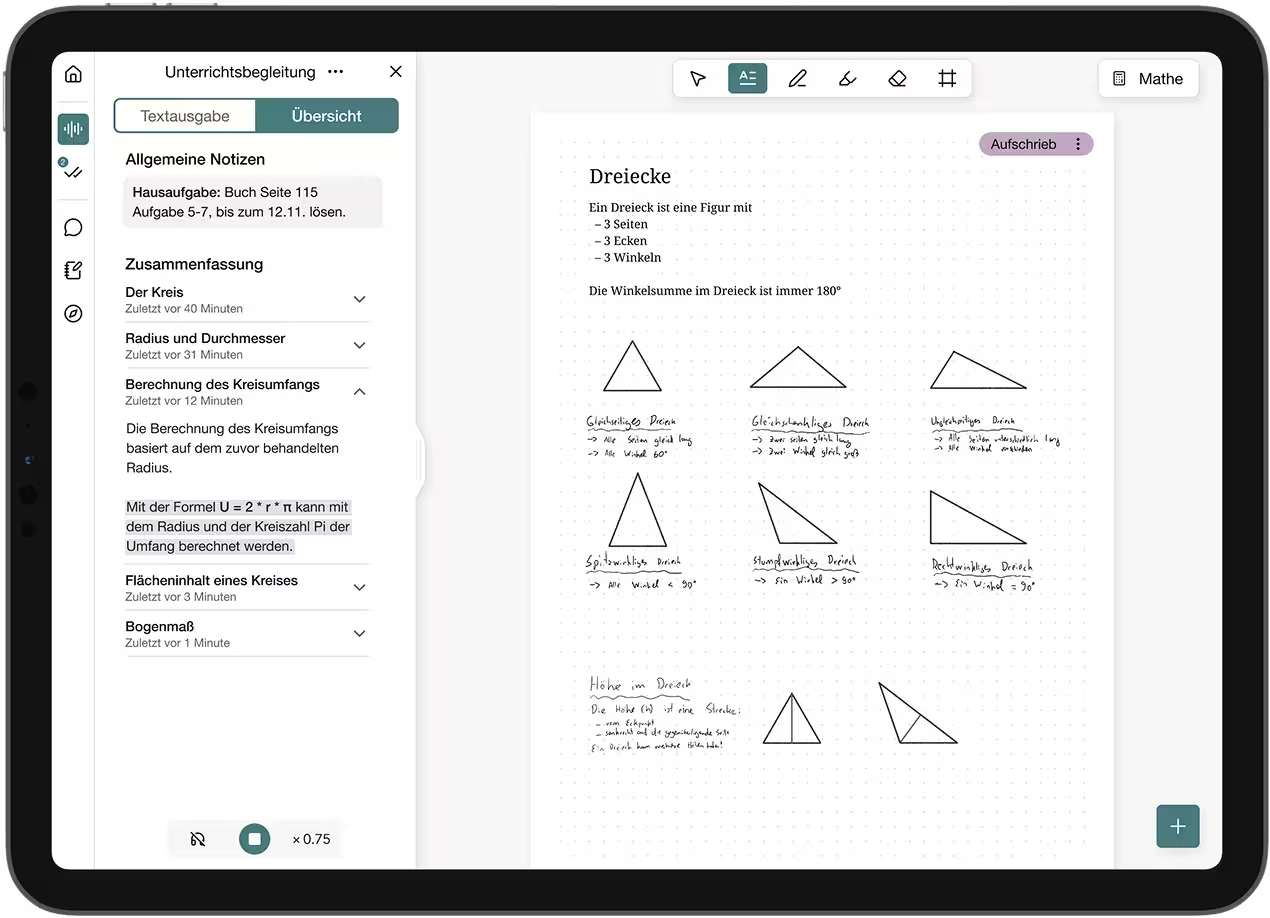
The live overview thematically structures everything that happens in class and summarizes only the important facts. This feature helps when the child cannot immediately follow the lesson live and, for example, needs to close their eyes for 10 minutes or leave the room. When the child returns, they can quickly get an overview of what happened during that time.
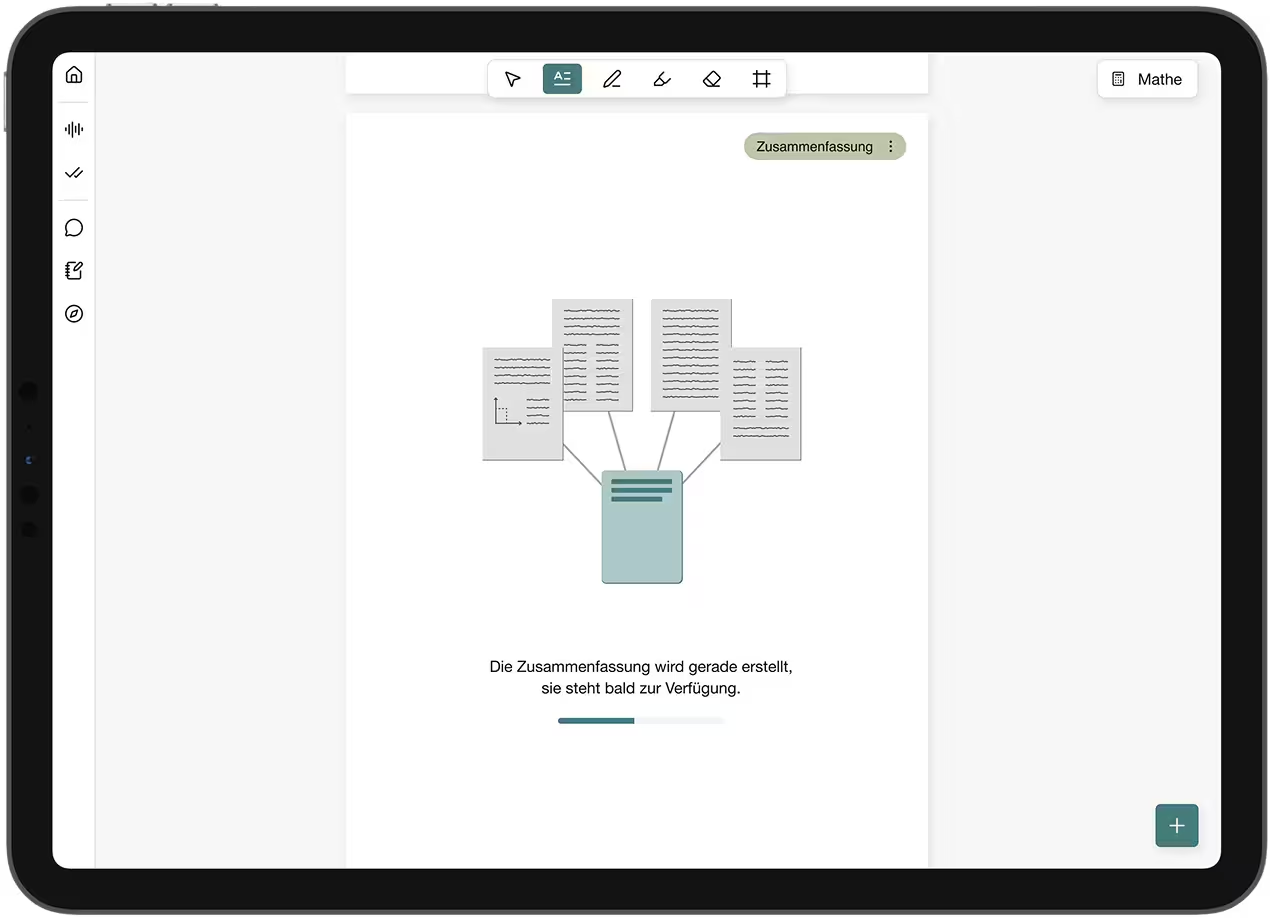
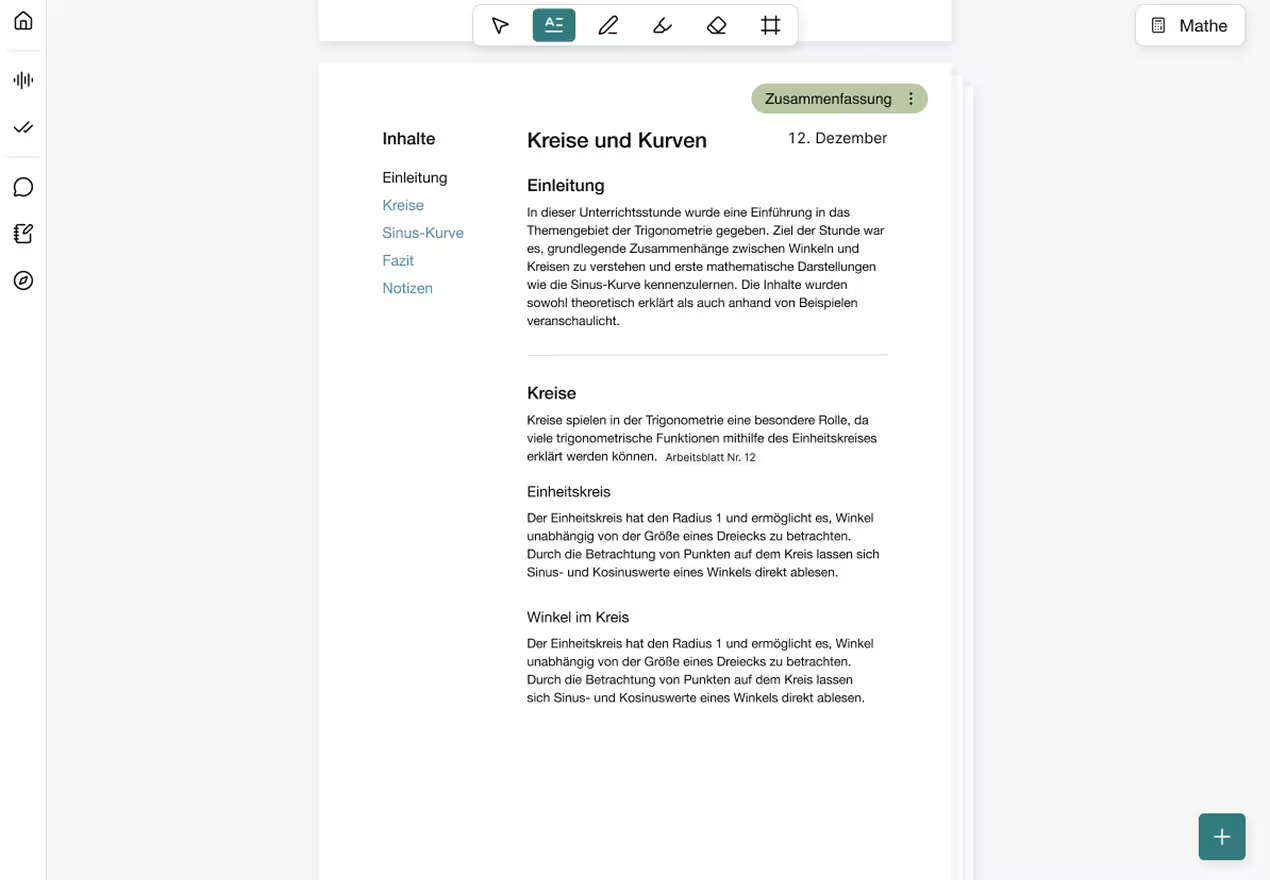
The final summary is created at the end of the lesson with a consistent, clear layout. All topics covered are listed again in a structured and navigable way and summarized.
Process
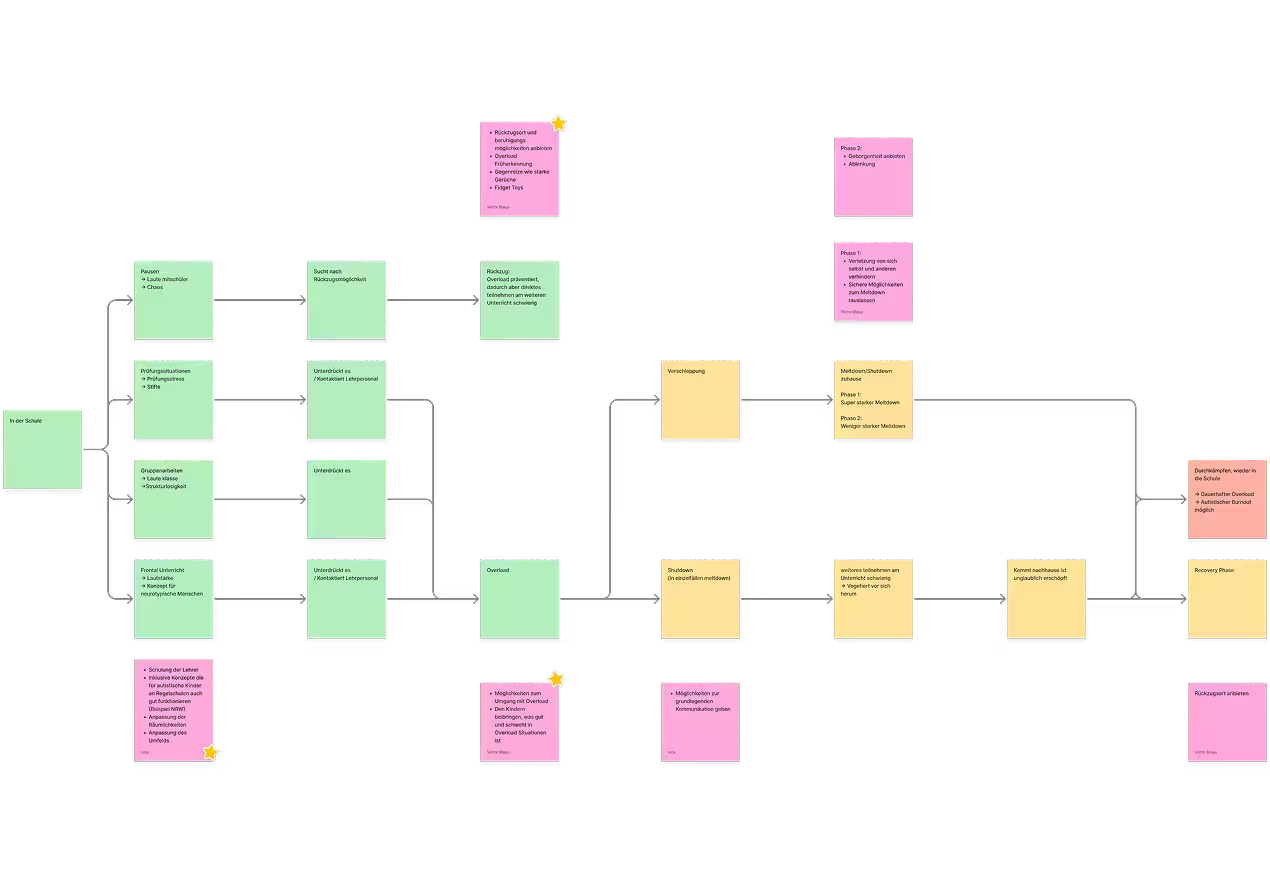
The most important thing when designing for a complex target group like autistic children is the fundamental research. We conducted numerous interviews with autistic people, parents, educators, and other experts such as school companions. This was important for us, as we had no prior connection to the topic, to get a feel for the target group. Since the autism spectrum is very diverse, we had to specialize in a small group. We used autistic manifestations (e.g. sensory, motor, etc.) to define this.
The design process was also accompanied by ongoing exchange with our contacts, whereby we repeatedly sought feedback from autistic people on our rough ideas at the beginning, and later on individual features.
We focused on the core problems of our target group and designed an MVP, selecting features based on how much they help and how well they can be implemented.
Since our product is used in a sensitive environment, the school, legal hurdles also posed challenges for us. Many features, such as the microphone directly with the teacher, were designed to comply with GDPR guidelines.
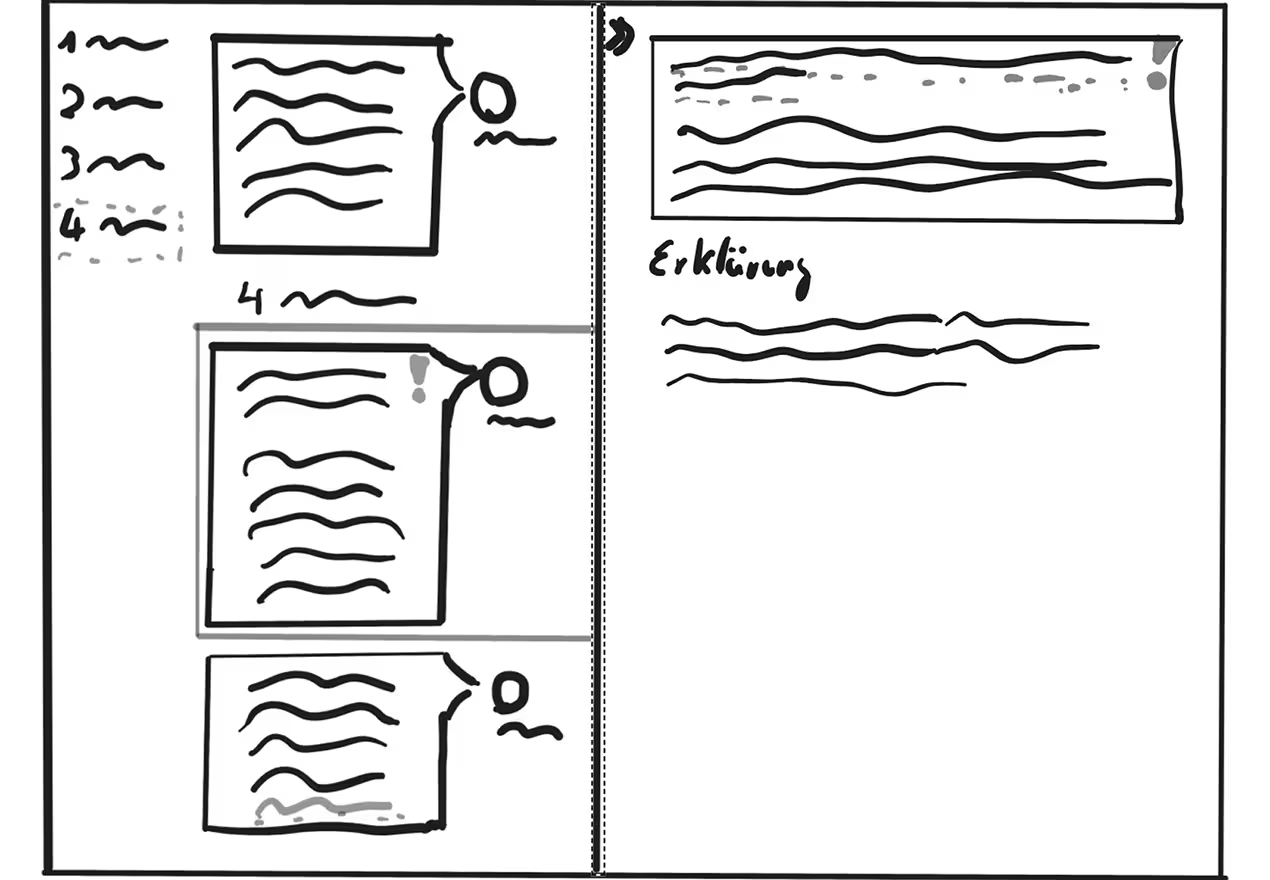
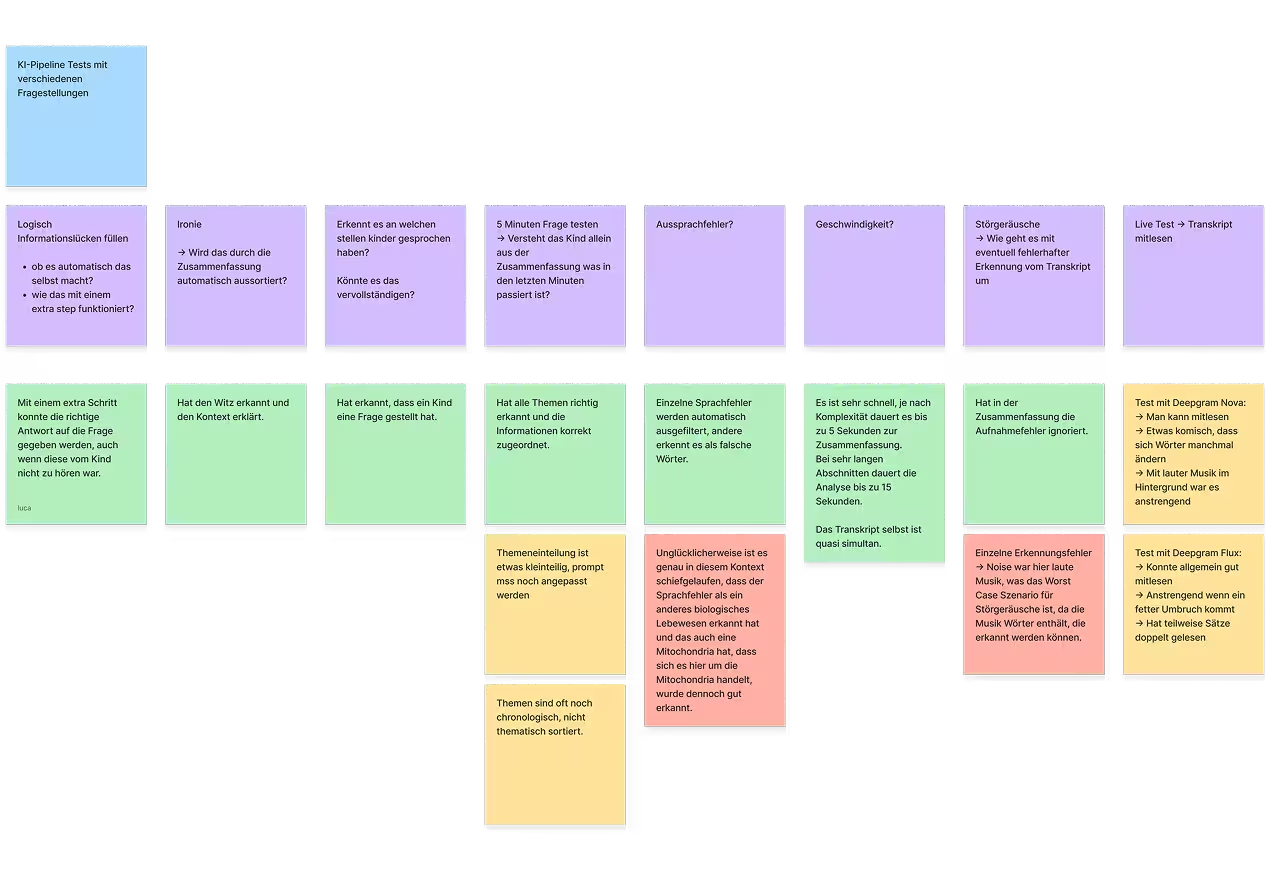
To ensure that our ideas are technically feasible and to identify potential problems quickly, we conducted extensive tests. We programmed the intended AI pipeline for testing with Deepgram and Perplexity, although in the real product local models would be used for data protection reasons. Through the tests, we found that the general functions, such as transcription and logical structuring, work very well, while other tests revealed weaknesses and edge cases that we had to take into account in the further course.